November 23, 2026
Shipping high-value equipment across the country or internationally requires careful planning, reliable packaging, and protection against unpredictable transportation conditions. Industrial machinery, electronic systems, medical equipment, and specialized components can be expensive to replace if they arrive damaged. Standard cardboard boxes and basic packaging materials may not provide enough support for items with unusual dimensions, significant weight, or delicate components. The right packaging also helps businesses maintain better control over how equipment is secured throughout the shipping process. Investing in proper protection before transit can prevent costly setbacks and keep important shipments moving toward their destinations. Properly designed shipping containers help reduce the risks associated with loading, handling, storage, and transportation. Custom crates offer a practical solution because they can be built around the equipment's size, weight, and handling requirements. Their construction helps keep valuable shipments secure throughout multiple stages of transit. Understanding how specialized crating provides protection can help businesses make better decisions before arranging a long-distance shipment.
1. Providing a Secure Fit for Specialized Equipment
High-value equipment often has dimensions or shapes that make standard packaging difficult to use effectively. A crate can be designed around the exact measurements of the item rather than forcing the equipment into an unsuitable container. This close fit helps limit unnecessary movement that could cause damage during transportation. Interior supports can be positioned to protect delicate areas, protruding components, and vulnerable connection points. Businesses shipping machinery or specialized instruments can also account for unusual weight distribution when planning the crate's construction. A properly fitted enclosure reduces the chance that equipment will shift when a truck turns, brakes, or travels over uneven roads. For international shipments, a secure fit also helps protect equipment as cargo moves between trucks, warehouses, ports, and other transportation methods. Careful measurements and planning create a more dependable foundation for protecting valuable assets.
2. Absorbing Impact During Transportation
Long-distance shipments can experience repeated movement, vibration, and sudden impacts before reaching their destinations. Equipment may be handled several times as it moves through distribution facilities, loading docks, and transportation terminals. Strong exterior construction helps create a protective barrier against contact with other cargo and handling equipment. Interior cushioning, blocking, and bracing can provide additional support for sensitive machinery and electronic components. These protective features help distribute pressure and reduce the likelihood of direct impacts reaching vulnerable parts. Custom crates can incorporate different interior protection methods depending on the equipment's fragility and transportation requirements. This is particularly important when shipments travel internationally and pass through multiple handling environments. Planning for potential impacts helps businesses reduce avoidable damage and protect the value of their equipment.
3. Supporting Heavy Loads and Uneven Weight
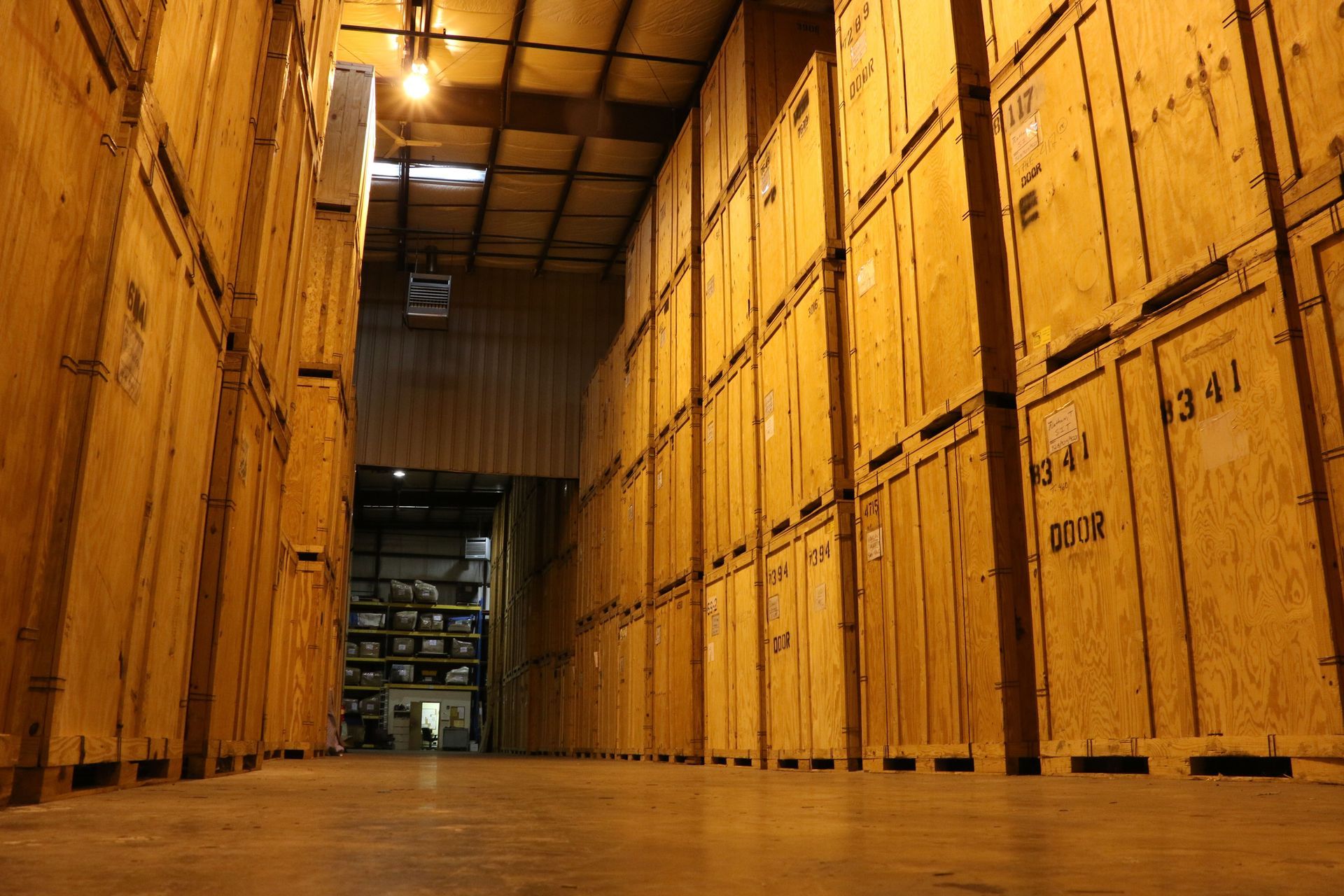
Heavy industrial equipment requires packaging that can support its weight without compromising structural stability. A crate's base, framing, and reinforcement should be selected according to the load it must carry. Poor weight distribution can create pressure points that weaken packaging or make lifting more difficult. Properly positioned supports help distribute the equipment's weight across the structure. Forklift access and other handling requirements should also be considered during the design process. According to Stellar, dry storage containers accounted for 42% of the storage container market in 2025, making them the leading container type that year. Although this statistic describes the broader storage container market rather than custom equipment packaging, it highlights the importance of suitable storage and transportation solutions for protecting goods. Businesses can benefit from choosing a crate design that accounts for both the equipment's weight and the demands of its shipping journey.
4. Protecting Equipment From Environmental Exposure
Temperature changes, moisture, dust, and other environmental conditions can threaten equipment during extended transportation. Metal components may be vulnerable to corrosion, while electronic systems can be affected by moisture and condensation. Sensitive instruments may also require additional protection against dust and airborne contaminants. Packaging plans should consider the expected shipping route, storage conditions, and length of transit. Depending on the shipment, protective wrapping, moisture barriers, desiccants, and other materials may help limit environmental exposure. Custom crates can be designed to accommodate these protective layers without leaving sensitive components exposed. International shipments may spend additional time in ports, warehouses, or outdoor staging areas, making environmental planning especially important. Selecting appropriate protective materials helps preserve equipment condition throughout the shipping process.
5. Making Handling and Loading More Efficient
Equipment packaging should protect the shipment while also making it practical for transportation workers to move. Crates can be designed with forklift openings, lifting points, and other handling features suited to the shipment's weight and dimensions. These details help reduce unnecessary repositioning and make loading procedures more predictable. Clear handling instructions can also communicate whether a shipment must remain upright or requires special lifting precautions. Properly planned access points help workers move equipment without placing unnecessary pressure on sensitive areas. Custom crates can be constructed to accommodate specific loading methods used by freight carriers and shipping facilities. This planning is valuable when equipment travels through several transportation stages before arriving at its destination. Making handling easier can reduce avoidable movement, improve coordination, and support safer cargo management.
6. Meeting Domestic and International Shipping Requirements
Shipping equipment across state lines or national borders can involve different transportation rules and documentation requirements. International shipments may also require packaging materials that comply with applicable import regulations. For example, businesses using solid wood packaging for international freight should understand the requirements of the International Standards for Phytosanitary Measures No. 15, commonly known as ISPM 15. This standard establishes treatment and marking requirements for regulated wood packaging materials used in international trade. Companies should confirm that their packaging meets the requirements applicable to their destination and shipment. Custom crates can be planned with international transportation considerations in mind, including appropriate materials and construction methods. Addressing these details before shipping can help prevent unnecessary delays at inspection points or border crossings. Careful preparation makes it easier to coordinate transportation while protecting valuable equipment.
7. Reducing the Risk of Expensive Shipping Damage
Damage to high-value equipment can create expenses that extend well beyond the cost of replacing a broken component. Businesses may face repair bills, production interruptions, missed project deadlines, and additional transportation costs. When specialized machinery is damaged, replacement parts may take considerable time to source or manufacture. Protective packaging helps reduce the likelihood of these disruptions by addressing potential shipping hazards before the equipment leaves the facility. The cost of a properly designed crate should be considered alongside the potential financial consequences of damaged cargo. Businesses should evaluate the equipment's value, fragility, weight, and transportation distance when selecting a packaging solution. Investing in custom crates can help protect important assets while supporting more predictable shipping operations. A thoughtful packaging plan gives businesses greater control over how their equipment is secured and handled throughout the journey.
Preparing high-value equipment for long-distance transportation requires more than simply placing it inside a container. The right packaging must account for the item's dimensions, weight, sensitivity, and expected shipping conditions. Strong construction, interior supports, environmental protection, and practical handling features all contribute to a safer shipping process. Businesses that plan these details in advance can reduce unnecessary risks and avoid preventable transportation problems. Wright Way Crating, Packing & Shipping can help businesses prepare valuable equipment for transportation with packaging solutions designed around their shipping needs. Contact the company to discuss your equipment, destination, and crating requirements before your next shipment.